
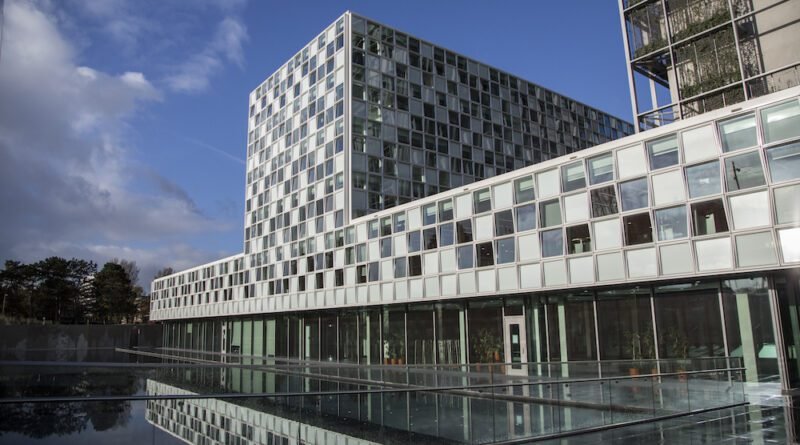
US Sanctions ICC President: Why the Latest Move Is Making Global Headlines
A fresh dispute between Washington and the International Criminal Court (ICC) is drawing international attention after the United States sanctioned ICC President Tomoko Akane and senior trial lawyer Abdoulaye Seye.
The U.S. move, announced on August 18, has triggered criticism from the court and several U.S. allies. The ICC says the sanctions threaten judicial independence, while Washington argues that the court has exceeded its authority.
What Happened?
U.S. Secretary of State Marco Rubio announced sanctions against Akane, a Japanese judge who serves as ICC president, and Seye, a Senegalese senior trial lawyer. The measures freeze any assets they have in U.S. jurisdictions or that come into the U.S. financial system.
Reuters reported that the sanctions are part of the Trump administration’s broader campaign against the Hague-based court, particularly over ICC investigations involving officials from countries that have not accepted the court’s jurisdiction.
Why Is the U.S. Targeting the ICC?
Washington says the ICC has overstepped its mandate by investigating or seeking to prosecute officials from countries including the United States and Israel. Rubio has described the court as politicized and accused it of threatening national sovereignty.
The latest sanctions follow earlier U.S. measures against ICC officials and come amid continuing disagreements over the court’s investigations and arrest warrants involving Israeli officials.
ICC Condemns the Sanctions
The ICC strongly rejected the U.S. action. The court said the measures undermine the rule of law and warned that targeting judicial officials for applying international law puts the broader international legal order at risk.
Japan and Europe Push Back
Japan’s government called the sanctions against its national and ICC President Tomoko Akane “very unfortunate.” Japan has been a strong supporter of the ICC since joining the Rome Statute in 2007.
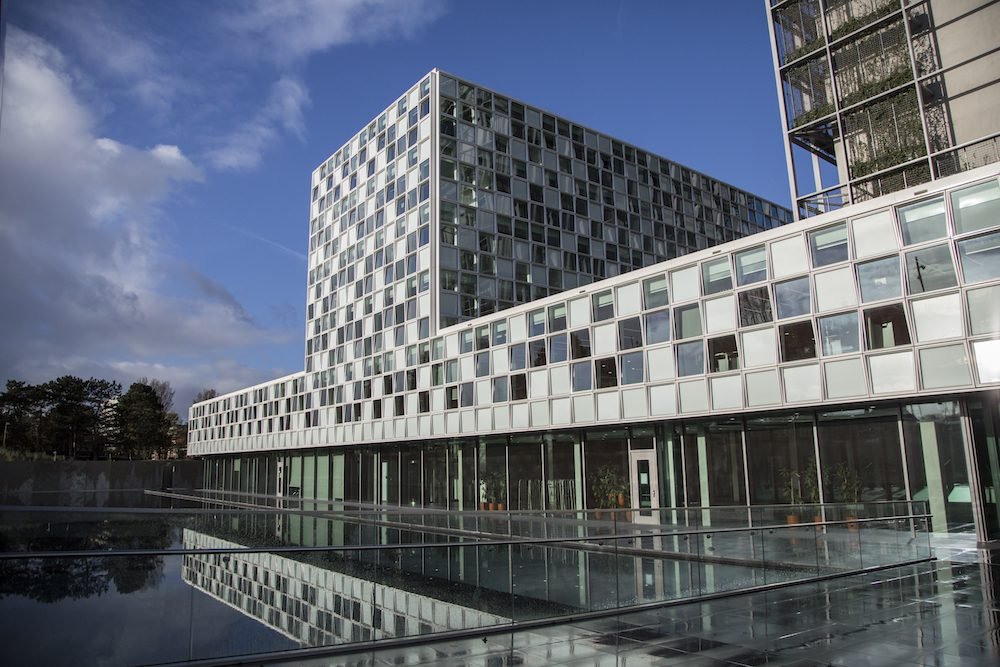
The Netherlands, which hosts the ICC in The Hague, also opposed the move and invited Akane for discussions about continued support. Germany has likewise backed the court’s role.
UN Chief Expresses Concern
United Nations Secretary-General Antonio Guterres has also expressed serious concern. The UN said the ICC, although institutionally separate from the United Nations, is an important pillar of international criminal justice.
Why This Matters Globally
The dispute goes beyond the two individuals who were sanctioned. The ICC was created to prosecute crimes including genocide, war crimes and crimes against humanity when national systems cannot or will not adequately address them.
Critics of the U.S. sanctions argue that pressure on judges and prosecutors could make international judicial cooperation harder. The Trump administration, meanwhile, says it is protecting U.S. sovereignty and opposing what it considers an overreach by a court to which the United States does not belong.
For more context on another fast-moving international issue, see our latest NewsHulk guide on digital payments and UPI.
What Happens Next?
The confrontation is likely to remain a major diplomatic issue. The Netherlands and Japan have signaled continued support for the court, while Washington has indicated that its wider campaign against the ICC will continue.
For now, the immediate impact is financial and diplomatic: the sanctioned officials face restrictions involving the U.S. financial system, while the ICC is attempting to demonstrate that its judges and prosecutors can continue their work independently.
Bottom Line
The latest U.S. sanctions on ICC President Tomoko Akane and senior trial lawyer Abdoulaye Seye have opened another significant front in the debate over international justice, national sovereignty and the limits of the ICC’s authority. With Japan, the Netherlands and the United Nations expressing concern, the dispute is likely to remain closely watched around the world.
Sources
- Reuters — U.S. sanctions ICC president and senior trial lawyer
- Reuters — Japan criticises U.S. over ICC sanctions
- Reuters — UN chief expresses concern
- Associated Press — ICC response to U.S. sanctions
Sources: Reuters and Associated Press. This article summarizes developments reported on August 18–20, 2026 and may be updated as the situation develops.